인문학
사회과학
자연과학
공학
의약학
농수해양학
예술체육학
복합학
 DBpia AI
 AI 에이전트
 AI 아이디어
 AI 리더
 AI 뷰어
 Citeasy
크롬 서지관리 다운로드
개인구독
소속 기관이 없으신 경우, 개인 정기구독을 하시면 저렴하게
논문을 무제한 열람 이용할 수 있어요.
지원사업
학술연구/단체지원/교육 등 연구자 활동을 지속하도록 DBpia가 지원하고 있어요.
커뮤니티
연구자들이 자신의 연구와 전문성을 널리 알리고, 새로운 협력의 기회를 만들 수 있는 네트워킹 공간이에요.
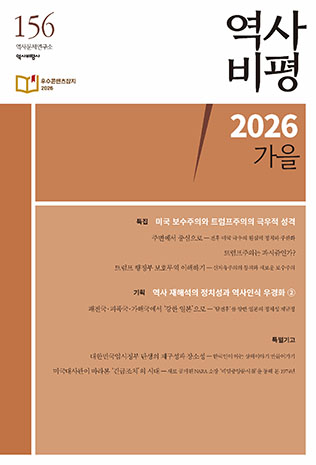
피인용 0
초록·키워드
This paper analyzes the cultural-ideological narratives constructed through the representation of Unit 731, focusing on the Chinese film 731, released in 2025 amid the national commemoration of the eightieth anniversary of victory in World War II. Cultural representations of Unit 731 have generally been consumed through a combination of nationalist sentiment and a desire for spectacles of atrocity, rather than a pursuit of historical truth. Drawing on the concepts of “dark tourism” and “victimhood nationalism”, this paper critically examines the film’s spatial and temporal reconstruction, character configuration, spectacularization of human experimentation, and escape narrative. The analysis reveals that 731 combines the “victory” narrative with contrived dark tourism attractions, while repeatedly inserting Japanese traditional cultural codes to conflate Unit 731’s war crimes with the collective guilt of the Japanese people as a whole. Furthermore, by reconfiguring the victims—who were in reality utterly powerless—as anti-Japanese resistance fighters within a “World Anti-Fascist” framework, the film forcibly transforms victims into warriors, and a narrative of victimhood into one of triumph, producing what this paper terms an “excess of memory.” This paradoxically results in the diminishment of the victims’ absolute helplessness and suffering, ultimately exemplifying the limitations of public history when subordinated to nationalist struggles for recognition rather than genuine historical reflection.
본문·목차


인공지능 문자 인식 모델을 통해 추출된 텍스트로, 일부 오타나 오류가 포함될 수 있으나 지속적으로 개선 중입니다.
오류를 발견하셨다면 해당 부분을 드래그한 후 ' 를 통해 신고해주세요.
오류를 발견하셨다면 해당 부분을 드래그한 후 ' 를 통해 신고해주세요.
최근 본 자료 전체보기





